Table of Contents
ToggleLED Wall Lights: Brighten Up Your Space with Modern Style ✨
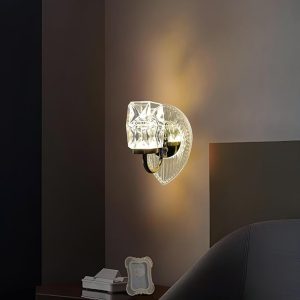
Why LED Wall Lights are a Smart Choice
LED wall lights are more than just a way to light up a room; they’re a modern, energy-efficient, and stylish lighting solution. They are a great alternative to traditional lamps and ceiling fixtures, adding a touch of elegance and functionality to any space. Whether you’re trying to highlight a piece of art, create a cozy mood, or simply add more light to a dark corner, LED wall lights are the perfect tool.
Key Benefits of Choosing LED Wall Lights
- Energy Efficiency: LEDs (Light Emitting Diodes) use significantly less electricity than old-style incandescent bulbs. This means you save money on your electricity bills and help the environment by reducing your energy usage. LEDs can use up to 85% less energy, which is a huge difference over time! 💡
- Long Lifespan: An average LED bulb can last for tens of thousands of hours. This is much longer than traditional bulbs, which often need to be replaced after a year or two. The long life of LEDs means less hassle and cost for you.
- Variety of Designs: From sleek, minimalist bars to decorative, artistic fixtures, the options for LED wall lights are endless. You can find styles that fit any decor, from modern and industrial to rustic or classic.
- Directional Lighting: Many LED wall lights are designed to point light in specific directions—either up, down, or both. This allows you to create different effects, like a soft glow along a hallway or a spotlight on a painting. You can control exactly where the light goes.
- Less Heat: Unlike older bulbs, LEDs produce very little heat. This makes them safer to use in places where a traditional bulb might be a fire hazard, and it also helps keep your room cooler.
Different Types of LED Wall Lights
There’s a wide range of LED wall lights available, each designed for a different purpose or style.
- Up/Down Lights: These popular fixtures cast light both upward and downward, creating a dramatic, hourglass-like effect on the wall. They are great for hallways, staircases, and outdoor walls.
- Strip Lights: Thin, flexible strips of LEDs can be used to create hidden, ambient lighting. They’re often placed behind a TV, under cabinets, or along the edges of a ceiling to create a cool, modern look.
- Picture Lights: These are small, focused lights that are specifically designed to be mounted above artwork or photographs. They provide a soft, even light that highlights your favorite pieces without causing damage.
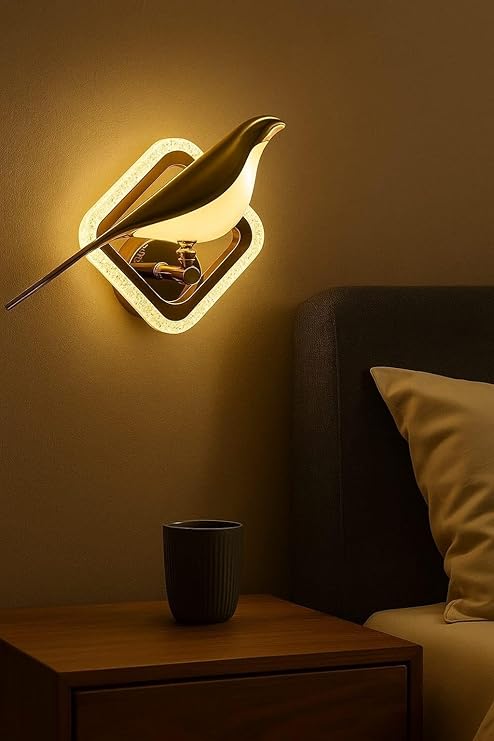
- Sconce Lights: Wall sconces are a classic form of wall lighting, but with LEDs, they come in a huge variety of modern shapes and styles. They are perfect for adding a decorative touch to a living room, bedroom, or dining area.
- Wall Washers: These fixtures are designed to “wash” a wall with a smooth, even light. They’re often used to highlight a large, textured wall or to make a room feel bigger.
How to Choose the Right LED Wall Light for Your Space
When picking out the perfect LED wall lights, there are a few things to consider.
- Location: Where will you install the light? For a bedroom, you might want a soft, warm light for a relaxing feel. For a kitchen, you’ll need brighter, more direct lighting. For outdoors, make sure the fixture is rated to handle weather.
- Brightness (Lumens) and Color (Kelvin): The brightness of a light is measured in lumens. The higher the lumen count, the brighter the light. The color is measured in Kelvins. A lower Kelvin number (like 2700K) means a warmer, more yellow light, perfect for a cozy space. A higher number (like 5000K) is a cooler, bluer light, which is great for task-oriented areas.
- Style: Think about the existing decor in your room. A sleek, black metal fixture might work well in an industrial space, while a simple white sconce would fit perfectly in a minimalist or Scandinavian-style room.
The Rise of Smart LED Wall Lights
Technology is constantly evolving, and so is lighting. Smart LED wall lights are becoming more and more popular, offering a new level of control and convenience.
- Control from Your Phone: Smart lights can be connected to your Wi-Fi or Bluetooth, allowing you to control them from an app on your smartphone. You can turn them on or off, change the brightness, and even adjust the color without ever touching a switch.
- Voice Control: Many smart lights work with voice assistants like Amazon Alexa or Google Home. You can simply say, “Hey Google, turn the wall lights to 50% brightness,” and the lights will respond.
- Tunable White and RGB: Some advanced smart lights have “tunable white” technology, which lets you change the color temperature from warm to cool to match the time of day or your mood. Others offer a full spectrum of colors (RGB), allowing you to create any atmosphere you can imagine.
Installation and Maintenance: Simple and Hassle-Free
Installing a LED wall light is often a straightforward process, but it’s always a good idea to consult a professional electrician, especially if you’re dealing with new wiring.
- Professional Installation: For safety and to ensure the light works correctly, hiring a qualified electrician is a smart choice. They will make sure all wiring is done properly and that the fixture is securely mounted.
- Low Maintenance: One of the best things about LEDs is how little maintenance they need. Because they last for so long, you won’t have to worry about changing a bulb for many years.
- Cleaning: To keep your lights looking great, simply dust the fixture regularly with a soft cloth. Avoid using harsh chemicals or abrasive cleaners, which can damage the finish.
The Future of LED Lighting
The future of LED wall lights is bright! Here are a few trends that are on the way:
- Human-Centric Lighting: This new technology is designed to mimic natural daylight. The light color and brightness will automatically change throughout the day to match the sun, which can help improve your sleep, mood, and overall well-being.
- Miniaturization: LEDs are getting smaller and smaller, which means they can be built into more creative and invisible designs. Think lights integrated directly into furniture, shelves, or even architectural features.
- Even Greater Efficiency: As technology improves, LEDs will become even more energy-efficient, saving you even more money and reducing their environmental impact.
-
LED Wall Lights for Every Room: A Guide
LED wall lights aren’t just for hallways and living rooms. They can be used to improve the lighting and mood in every part of your home.
- In the Bedroom: Instead of a bedside lamp that takes up space, a wall-mounted LED light can provide perfect reading light. You can install one on either side of your bed, creating a clean, modern look. The soft, warm light of an LED fixture can also create a relaxing atmosphere for unwinding after a long day.
- In the Kitchen: LED strip lights are a game-changer for kitchens. Placed under cabinets, they can light up your countertops, making it easier and safer to prepare food. This type of lighting also gets rid of shadows cast by overhead lights, making the kitchen feel brighter and more inviting.
- In the Bathroom: Look for LED wall lights with a high IP rating, which means they are safe to use in damp environments. They can be placed on either side of a mirror for clear, even lighting, which is great for grooming and applying makeup. They offer a sleek, modern look that’s much better than old-fashioned fixtures.
The Environmental Impact of Choosing LEDs
Making the switch to LED wall lights is a small choice that has a big positive impact on the environment.
- Less Energy Consumption: As we mentioned, LEDs use way less power. This means power plants don’t have to burn as much fossil fuel to generate electricity, which helps reduce air pollution and greenhouse gas emissions.
- Reduced Waste: Because they last for so long, you won’t be throwing out old bulbs nearly as often. This means less trash ending up in landfills, which is a simple but effective way to reduce your personal waste.
- No Toxic Materials: Unlike some older types of bulbs (like CFLs) that contain mercury, LEDs are made without toxic materials. This makes them safer for both your home and the environment, especially when it’s time to get rid of them.
Deep Dive into LED Wall Light Technology: What the Numbers Mean
When you’re shopping for LED wall lights, you’ll see a lot of technical terms on the box. Knowing what these mean can help you choose the best light for your needs.
- Lumens (lm): Forget watts! Lumens measure a light’s brightness. A higher lumen number means a brighter light. For example, a light with 800 lumens is great for a reading area, while 200 lumens might be enough for a soft, decorative light in a hallway. Always look at the lumens, not the watts, to know how bright a light will be.
- Color Temperature (Kelvin – K): This number tells you the “color” of the light.
- Warm White (2700K – 3000K): This light has a soft, yellowish glow, similar to old incandescent bulbs. It’s perfect for creating a cozy, relaxing atmosphere in bedrooms and living rooms.
- Cool White (4000K – 5000K): This light is a crisp, bright white. It’s great for kitchens, offices, and bathrooms, where you need clear, focused light for tasks.
- Daylight (5000K – 6500K): This light is very similar to natural sunlight. It’s often used in garages, workshops, and for security lights, as it provides the most visibility.
- Color Rendering Index (CRI): CRI is a number from 0 to 100 that shows how well a light bulb can make colors look natural. A high CRI (90 or above) means the colors under the light will look very true to life. This is especially important for picture lights or anywhere you want to make sure colors in a room look accurate.
- Beam Angle: This tells you how wide the light spreads from the fixture. A narrow beam angle (10-45 degrees) creates a focused spotlight effect, perfect for highlighting a specific object. A wide beam angle (120 degrees or more) is great for “wall washing” or general lighting to cover a large area evenly
Creative Design Ideas for Using LED Wall Lights
Beyond just lighting up a room, LED wall lights can be a part of your interior design. Here are some cool ideas to get you started.
- Highlighting a Gallery Wall: If you have a collection of photos or artwork, install a single picture light over each one. The focused light will make your collection pop and create a professional, gallery-like feel.
- Creating a “Floating” Effect: Install LED strip lights behind a TV, under a floating shelf, or even around the edges of a mirror. The light will bounce off the wall, creating a soft glow that makes the object look like it’s floating. This is a simple but very effective way to add a modern touch to a room.
- Using Light as a Design Element: Choose unique, sculptural LED wall lights that are works of art on their own. Fixtures with interesting shapes, like a spiral or a geometric design, can act as a centerpiece on a blank wall.
- Lighting a Staircase: Install small, recessed LED lights low on the wall next to each step. This not only makes the staircase safer at night but also creates a beautiful, cinematic lighting effect that adds a touch of luxury to your home.
- Creating a Cozy Nook: Use LED wall lights to define a specific area. For example, install a pair of sconces over a reading chair to create a special, well-lit corner that feels separate from the rest of the room.
Troubleshooting Common LED Wall Light Problems
While LED wall lights are very reliable, you might run into a few issues. Knowing how to troubleshoot them can save you time and hassle.
- Flickering Light: This is one of the most common problems. It’s often caused by a problem with the electrical circuit or a poor connection. Sometimes it’s a sign that the light isn’t compatible with the dimmer switch you’re using. Make sure you are using a “dimmable” LED light with a compatible dimmer. If the problem continues, it’s best to call an electrician.
- The Light Doesn’t Turn On: First, check the power source. Is the switch on? Is the circuit breaker in the “on” position? If so, the light itself might be faulty. Unlike old bulbs, most LED fixtures can’t have their bulbs replaced, so you might need a new fixture.
- Humming or Buzzing Sound: This is often a sign of electrical interference or an issue with the transformer inside the fixture. It can also be caused by an incompatible dimmer switch. Check if the sound goes away when the light is at a different brightness level. If not, you may need a different dimmer or a new fixture.
Conclusion: Light Up Your World with LEDs
In short, LED wall lights offer a perfect combination of form and function. They are an energy-saving, long-lasting, and incredibly versatile way to transform any space. By carefully choosing the right type and style, you can create a unique and inviting atmosphere that is both beautiful and practical.




Leave A Comment